Top garden maintenance services in EN5 Barnet
If your garden in EN5 has started to feel a bit unruly, you are not alone. One week it looks fine, the next the hedges have gone soft around the edges, the lawn feels patchy, and the borders need more attention than you expected. The good news is that top garden maintenance services in EN5 Barnet can take the pressure off and keep everything looking tidy, healthy, and genuinely cared for all year round.
Whether you want simple lawn care, regular hedge trimming, seasonal tidy-ups, or a fuller maintenance plan, the right service saves time and often prevents small problems from becoming bigger, pricier ones. Below, you will find a practical guide to what good garden maintenance looks like, how it works, what to expect in a local Barnet context, and how to judge whether a service is actually worth your money. Truth be told, a neat garden is lovely; a well-maintained one is easier to live with.
For readers exploring local services, it can also help to understand the broader support available through garden services, especially if your outdoor space needs more than a quick once-over.
Table of Contents
- Why Top garden maintenance services in EN5 Barnet Matters
- How Top garden maintenance services in EN5 Barnet Works
- Key Benefits and Practical Advantages
- Who This Is For and When It Makes Sense
- Step-by-Step Guidance
- Expert Tips for Better Results
- Common Mistakes to Avoid
- Tools, Resources and Recommendations
- Law, Compliance, Standards, or Best Practice
- Options, Methods, or Comparison Table
- Case Study or Real-World Example
- Practical Checklist
- Conclusion
- Frequently Asked Questions
Why Top garden maintenance services in EN5 Barnet Matters
A good garden in Barnet does more than look pleasant from the pavement. It creates a better day-to-day experience at home, especially in areas like EN5 where gardens often have mixed planting, boundary hedges, mature shrubs, and lawns that need regular attention to stay in shape. If you leave maintenance too long, you usually do not get one simple issue; you get several at once. Moss builds in the lawn, weeds spread, hedges lose their form, and dead growth makes everything look tired.
That is why the best garden maintenance is not just about cutting things back. It is about rhythm. Regular visits keep the garden manageable, and manageable is the real win. A tidy space also tends to make other jobs easier: planting, drainage checks, re-edging, and even pest spotting. In our experience, people often notice that once the maintenance schedule is sorted, the whole property feels calmer. A bit dramatic perhaps, but true.
For homeowners, landlords, and busy families, a maintained garden can also reduce weekend stress. Instead of spending Saturday morning fighting a hedge that has doubled in size, you can actually enjoy the space. That matters more than people think, especially in London where outdoor time is precious.
How Top garden maintenance services in EN5 Barnet Works
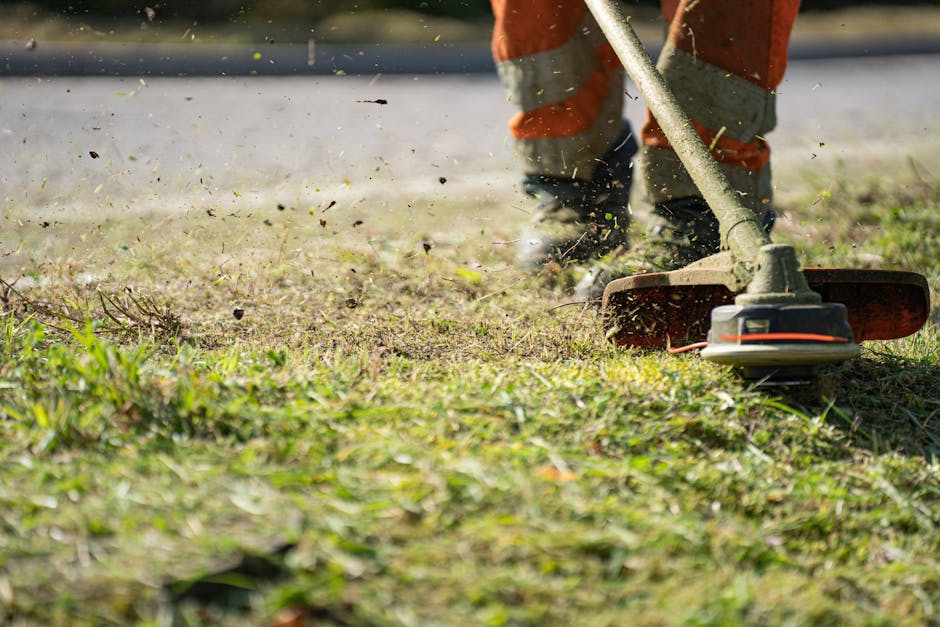
Garden maintenance is usually built around a routine, a seasonal plan, or a one-off clean-up followed by ongoing care. The exact service depends on the condition of the garden, the size of the plot, and what you want the space to do for you. Some clients only need lawn mowing and light pruning. Others want a more complete package covering borders, hedges, patio tidying, leaf clearance, and waste removal.
To be fair, the best providers do not just arrive with a mower and hope for the best. They assess what is actually needed. That might include checking for overgrown areas, identifying plants that need pruning at the right time of year, and deciding whether the lawn needs feeding, aerating, scarifying, or simply better mowing habits. Small details. Big difference.
A proper service typically starts with a look around the garden and a conversation about priorities. Then the work is scheduled on a weekly, fortnightly, monthly, or seasonal basis. For many EN5 homes, a regular monthly visit combined with a heavier spring and autumn tidy-up works very well. Gardens in London tend to change quickly after wet spells and warm spells, so timing matters.
If your garden needs more specialised care, such as tougher clearance work or structural reshaping, it can be worth reviewing landscaping services alongside maintenance. Not every garden needs a redesign, but some do benefit from a reset.
Key Benefits and Practical Advantages
The most obvious benefit is appearance. A maintained garden simply looks better. But the deeper value is in the long-term health of the space. Regular trimming helps shrubs stay dense and healthy. Consistent lawn care reduces patchiness. Weed control is easier when done early. And seasonal pruning keeps plants more productive and less chaotic.
There are practical advantages too:
- Less weekend workload: you are not spending your free time catching up on months of growth.
- Safer access: clear paths, fewer trip hazards, and better visibility around steps or side returns.
- Better plant health: proper timing and pruning reduce stress on trees, hedges, and shrubs.
- Improved property presentation: useful for home sales, lettings, or simply keeping the place looking cared for.
- Lower risk of overwhelm: small jobs stay small.
There is also a quieter benefit people do not always mention: outdoor spaces feel more usable. You sit outside more. You notice the garden more. The smell of cut grass or fresh soil after a tidy-up has a way of reminding you that the space is part of the home, not just an extra rectangle at the back.
Expert summary: the strongest garden maintenance plans are not the most dramatic ones. They are the most consistent. Regular care, seasonal judgement, and clear priorities usually beat occasional deep cleans every time.
Who This Is For and When It Makes Sense
Garden maintenance services are not just for large properties or people who have no time at all. They make sense for a wide range of situations.
You may want help if:
- your lawn is growing unevenly or becoming thin in places
- hedges and shrubs are losing their shape
- weeds keep returning no matter what you do
- you have recently moved into a property with an untidy garden
- you rent out a home and need the outside space kept presentable
- you are preparing to sell and want the garden to make a good first impression
- you simply want more time back at the weekends
For older homeowners, regular support can remove the physical strain of jobs like edging, lifting trimmings, or climbing ladders for light pruning. For families, it often comes down to bandwidth. School runs, work, life, dinner, weather, repeat. The garden gets pushed down the list. Fair enough, really.
If you are unsure whether you need one-off help or ongoing care, the safest approach is to begin with a site visit and a simple maintenance plan. You can always scale up or down once you have seen how the garden responds.
Step-by-Step Guidance
If you are comparing local garden care options, it helps to know what a sensible process looks like. Here is a straightforward way to approach it.
- Assess the current state of the garden. Look at the lawn, hedges, borders, paths, and any problem areas. Ask what is truly urgent and what can wait.
- Set your priorities. Decide whether your main goal is appearance, plant health, easier upkeep, or all three.
- Choose the right service level. A light tidy-up is different from a full maintenance plan. Be clear about the result you want.
- Check scheduling. Weekly, fortnightly, or monthly maintenance can all work, but consistency is the key.
- Confirm what is included. Mowing, hedge trimming, weeding, pruning, leaf clearance, green waste removal, and border care are not always bundled together.
- Review timing for seasonal work. Some jobs are better in spring, some in autumn, and some during dry weather. Good timing protects the garden.
- Monitor the results after a few visits. Does the garden look cleaner? Are plants recovering well? Are edges sharper and easier to maintain? If not, the plan may need adjusting.
A small but useful tip: take photos before the first visit. It is an easy way to compare progress later, especially after a couple of months. Sometimes the change is more noticeable than you remember.
Expert Tips for Better Results
Good maintenance is partly about skill, but it is also about restraint. The best gardens are not always the most heavily cut back. They are the ones that are cared for with judgement.
1. Keep the lawn cut regularly, not aggressively
Frequent mowing is usually kinder than taking off too much at once. If grass gets too long, it is better to reduce it gradually. Cutting too low after a growth spurt can leave the lawn looking stressed and patchy.
2. Prune with the plant, not against it
Different shrubs and hedges have different needs. Some tolerate shaping well; others prefer a lighter touch. If a service trims everything in exactly the same way, that is a small red flag.
3. Watch the soil and drainage
In parts of Barnet, gardens can suffer from compacted ground, damp patches, or poor drainage after wet weather. If the soil is heavy, the right maintenance plan may need aeration, better clearing of debris, or a rethink around plant choice. It is not glamorous, but it matters.
4. Do not ignore the edges
Edging along borders and paths makes a garden feel finished. It sounds minor. It is not minor. Those clean lines change the whole look of the space.
5. Mix maintenance with simple seasonal tasks
In spring, focus on feeding, cutting back, and preparing for growth. In autumn, leaf clearance and tidying are often more important. Winter is about keeping things under control without overworking dormant plants. That seasonal rhythm helps the garden breathe, if that makes sense.
And one more thing: if a gardener explains why something should not be done right away, listen. That kind of caution usually signals experience, not hesitation.
Common Mistakes to Avoid
Even experienced homeowners make a few avoidable mistakes. Nothing tragic, just the sort of things that make maintenance harder than it needs to be.
- Waiting too long between visits. Garden jobs multiply when they are left.
- Choosing by price alone. Cheap can be fine, but only if the scope and quality are still clear.
- Assuming all maintenance is the same. Lawn care, hedge care, and pruning are different skills.
- Over-pruning in the wrong season. Some plants recover badly if cut at the wrong time.
- Not checking waste removal. A tidy garden can still leave a pile of debris behind if this is not agreed in advance.
- Ignoring access issues. Narrow side passages, locked gates, or awkward parking can affect how the work is carried out.
Another common one? Expecting one visit to solve a garden that has been neglected for a year. Sometimes it can be transformed quickly, but often it needs a few sessions. That is normal. No drama.
Tools, Resources and Recommendations
Professional garden maintenance relies on the right kit, but you do not need a warehouse of equipment to keep a garden in good condition. A sensible mix of tools and materials usually does the job well.
| Task | Typical Tools | What Good Practice Looks Like |
|---|---|---|
| Lawn care | Mower, trimmer, rake | Regular cutting, neat edges, grass collected or mulched appropriately |
| Hedge trimming | Hedge trimmer, secateurs, ladder where safe | Even lines, careful shaping, timing suited to the plant |
| Weeding | Hand tools, hoe, mulch | Weeds removed before seeding, beds kept covered where possible |
| Pruning | Secateurs, loppers, pruning saw | Clean cuts, no tearing, respect for flowering and fruiting cycles |
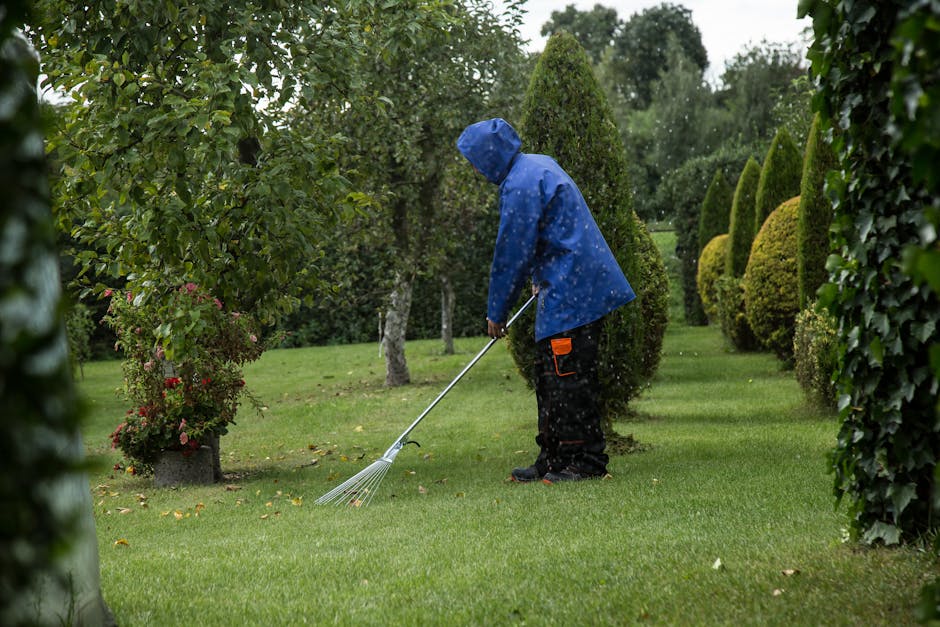
| Seasonal tidy-up | Rake, bags, leaf blower where suitable | Paths cleared, beds cleared without stripping useful ground cover |
If you are comparing services, it is worth asking how they handle green waste, whether they bring their own equipment, and whether they can work around pets, children, or delicate planting. Those details often reveal how professional the service really is.
For properties with more complex outdoor layouts, a broader look at property maintenance can also be useful, because gardens are often part of a bigger upkeep picture rather than an isolated job.
Law, Compliance, Standards, or Best Practice
Garden maintenance in the UK is not heavily regulated in the way some trades are, but there are still sensible standards and responsibilities to keep in mind. A reliable provider should work safely, use equipment appropriately, and avoid causing unnecessary damage to plants, fences, or neighbouring property.
Best practice usually includes:
- safe use of tools and ladders
- clear communication about access and timing
- responsible disposal or removal of green waste, where agreed
- respect for boundary lines and neighbouring gardens
- care with protected or mature planting
If a job involves larger trees, boundary issues, shared hedges, or anything that could affect neighbours, caution is wise. Some matters may involve permissions or specific property considerations, so it is better to pause and check than rush ahead. A little patience avoids awkward conversations later. We have all seen the hedge dispute that nobody wanted.
Also, if a provider is using powered tools, you should expect basic safety awareness. Good housekeeping matters: tidy working areas, secure tools, and no leaving debris where someone could trip. Simple stuff, but not always done well.
Options, Methods, or Comparison Table
Not every garden needs the same level of care. The right choice depends on your space, budget, and how hands-on you want to be. Here is a simple comparison of common approaches.
| Option | Best For | Typical Strengths | Possible Drawbacks |
|---|---|---|---|
| One-off tidy-up | Overgrown gardens, move-ins, pre-sale prep | Fast visual improvement, useful reset | Needs follow-up to stay tidy |
| Regular maintenance | Busy households, rental homes, front and back gardens | Consistent appearance, easier long-term care | Requires ongoing commitment |
| Seasonal maintenance | Smaller gardens or lower-need spaces | Good balance of cost and upkeep | Weeds and growth can build between visits |
| Maintenance plus landscaping support | Gardens needing structural changes or larger improvements | More complete solution, better for tricky spaces | Usually costs more and takes longer |
For many EN5 households, regular maintenance is the sweet spot. It prevents the "nothing needs doing" trap, followed by the "everything needs doing immediately" panic. And yes, that panic tends to arrive right before guests, which is very convenient, isn't it?
Case Study or Real-World Example
Here is a realistic example. A typical EN5 rear garden might start the spring looking fine from a distance, but with a lawn that has thinned in one corner, a hedge that has pushed out into the path, and a border full of weeds after a damp spell. Nothing disastrous, just a bit messy and harder to enjoy.
A sensible maintenance approach would usually begin with a clear-up: cut back soft growth, remove weeds, edge the lawn, and tidy the borders. Then the lawn may need feeding or light repair depending on its condition, while the hedge is trimmed carefully to restore shape without overcutting. A follow-up schedule might then keep things under control every few weeks.
What tends to surprise people is how much better the garden feels after the basics are done well. The path seems wider. The lawn looks greener. The whole space catches the light differently in the late afternoon. It is not magic. It is just good maintenance, done properly.
Practical Checklist
Use this checklist before booking or reviewing a garden maintenance service.
- Is the service suitable for the size and condition of your garden?
- Are lawn care, hedge trimming, weeding, and pruning clearly defined?
- Does the provider explain what is included and what is extra?
- Have you agreed how often the garden will be visited?
- Is green waste removal included or discussed separately?
- Are seasonal jobs timed appropriately?
- Has access to the garden been planned?
- Do you know how the team handles delicate plants or boundary areas?
- Is there a simple way to adjust the plan if the garden changes?
- Does the result feel tidy, healthy, and maintainable rather than just briefly neat?
If you can tick most of those boxes, you are usually in a good place. If not, ask a few more questions before going ahead.
Conclusion
The best garden maintenance is calm, consistent, and tailored to the space in front of you. In EN5 Barnet, that often means a service that understands local gardens, seasonal changes, and the practical reality of busy lives. Whether your outdoor space needs regular mowing, hedge trimming, border care, or a full tidy-up, the real aim is simple: make the garden easier to enjoy and easier to keep that way.
Choose a service that listens, explains clearly, and treats the garden as a living space rather than a quick job. That is where the real value lies. Not just in what gets cut, but in what gets looked after.
Get a free quote today and see how much you can save.
And if you do get that garden back under control, take five quiet minutes in it. Tea in hand, fresh air, no rush. Honestly, that part matters too.
Frequently Asked Questions
What do garden maintenance services usually include in EN5 Barnet?
Most services include lawn mowing, hedge trimming, weeding, pruning, edging, border tidying, and seasonal clearance. Some also include green waste removal, plant care, and light pressure washing around paths or patios if agreed in advance.
How often should a garden be maintained?
That depends on the size of the garden and how fast it grows. Many homes do well with fortnightly or monthly visits, plus seasonal work in spring and autumn. Fast-growing gardens usually need more frequent attention.
Is one-off garden clearance the same as regular maintenance?
No. A one-off clearance is usually for overgrown or neglected gardens and focuses on getting things back under control. Regular maintenance is ongoing care that keeps the space tidy once it has been reset.
What should I ask before hiring a gardener?
Ask what is included, how often visits happen, whether waste is removed, how they handle pruning, and whether they have experience with your type of garden. Clear answers are a good sign.
Do garden maintenance services bring their own tools?
Most professional services do bring their own equipment. It is sensible to check, especially if your garden needs specialist tools or if access is awkward.
Can garden maintenance help with overgrown hedges?
Yes, hedge trimming is one of the most common maintenance tasks. For heavily overgrown hedges, a phased approach may be better than cutting everything back at once.
What is the difference between pruning and trimming?
Trimming usually refers to shaping hedges or controlling visible growth. Pruning is more selective and involves removing specific stems, branches, or dead growth to support plant health and structure.
Is green waste removal normally included?
Sometimes yes, sometimes no. It varies by provider and by the size of the job, so it is best to confirm before work begins. Nobody likes a lovely tidy garden followed by a surprise pile of clippings.
What if my garden needs more than maintenance?
If the space needs new layout work, hard landscaping, drainage improvements, or major replanting, maintenance alone may not be enough. In that case, a broader landscaping plan may make more sense.
How do I know if a garden service is good value?
Good value is not just the lowest price. Look for clear scope, reliable timing, tidy results, sensible plant care, and a maintenance plan that reduces future problems rather than creating them.
Can garden maintenance improve a rental property?
Yes. A well-kept garden can improve kerb appeal, help a property feel cared for, and reduce the risk of complaints from tenants or neighbours about untidy outdoor areas.
What time of year is best for garden maintenance in London?
There is no single best time, because gardens need attention throughout the year. Spring and autumn are often the busiest seasons, while summer and winter need different kinds of care depending on growth and weather.