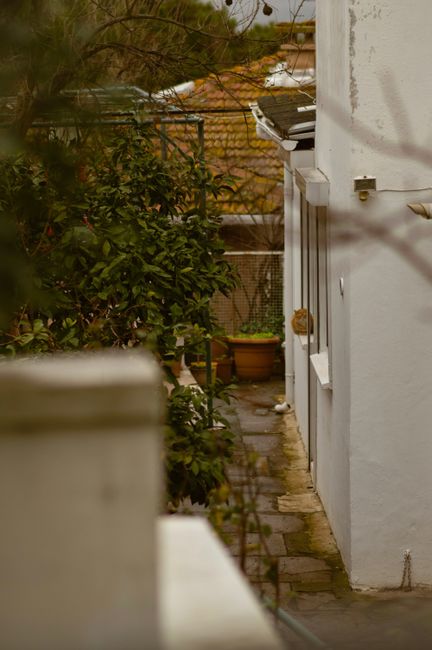
East Barnet gardeners for awkward access alleyway yards
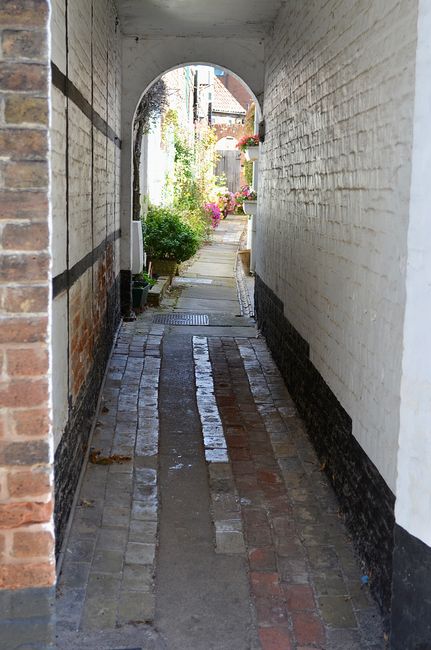
If your garden can only be reached through a narrow side passage, a shared alley, or a backyard with barely enough room to swing a watering can, you already know the challenge. Finding East Barnet gardeners for awkward access alleyway yards is not just about hiring someone who can mow grass. It is about choosing a team that can work neatly, move materials carefully, and still leave the space looking calm, usable, and well kept.
These yards often come with tight corners, uneven surfaces, limited storage, and the kind of access that makes ordinary garden work feel oddly fiddly. Truth be told, that is exactly where experience matters most. In this guide, you will learn how awkward-access garden work is planned, what good gardeners actually do, where the common problems hide, and how to make the whole process smoother from the start.
Whether your alleyway yard needs routine maintenance, a one-off clear-up, or a full tidy-through after months of getting away from you, the right approach can make a big difference. And no, it does not have to turn into a drama every time someone needs to carry a mower down the side return.
- Why access issues matter
- How awkward-access garden work works
- Benefits for narrow yards and alleyway gardens
- Who this service is for
- Step-by-step guidance
- Expert tips
- Common mistakes to avoid
- Tools, resources and recommendations
- Law, compliance and best practice
- Options and comparison
- Real-world example
- Practical checklist
- Conclusion
- Frequently asked questions
Why East Barnet gardeners for awkward access alleyway yards Matters
Awkward access changes everything. A garden that would be straightforward with a wide gate can become slow, messy, and even risky when every tool, bag of soil, or wheelbarrow load has to pass through a narrow route. In East Barnet, that can mean side passages between terraces, hidden rear yards behind older properties, or small urban spaces where privacy, storage, and access all compete for room.
The main issue is simple: access affects efficiency. If a gardener has to carry waste by hand over and over again, work takes longer and the likelihood of scuffed walls, muddy floors, and tired knees goes up. And when a space already feels cramped, even a small mistake becomes very noticeable. A dropped paving slab in a tight alley is not a minor inconvenience. It can block the route entirely. Not ideal, to say the least.
This is why specialist local gardeners are useful. They can assess the access before work begins, plan the sequence carefully, and choose methods that suit the yard rather than forcing the yard to suit the method. That sounds obvious, but plenty of garden jobs go wrong because nobody stopped to ask, "How exactly are we getting everything in and out?"
Good awkward-access gardening is really a mix of planning, patience, and tidy execution. It is not glamorous. But it is the difference between a yard that feels enclosed and frustrating, and one that feels intentional, calm, and manageable.
How East Barnet gardeners for awkward access alleyway yards Works
The process usually starts with a look at the access route. That may be a side alley, shared passage, rear lane, or a narrow gap between buildings. A capable gardener will want to know how wide the route is, whether there are steps or turns, what the surface is like, and whether there are any restrictions from neighbours, locks, or shared ownership arrangements.
From there, the work is broken down into manageable stages. In practical terms, that might mean bringing smaller tools instead of bulky ones, bagging waste in lighter loads, and using hand-carry methods rather than assuming a wheelbarrow will fit. Sometimes it is worth using compact equipment. Sometimes it is better to dismantle materials on-site before removal. It depends on the yard, and that part matters.
For many alleyway yards, the challenge is not the actual gardening. It is the logistics. A hedge cut is a hedge cut. But if the clippings have to be moved through a passage that only just clears a rake handle, the job needs a different rhythm. The same goes for soil delivery, plant replacement, or clearing out old pots and debris. The less thought goes into access, the more likely the job becomes clumsy.
In a well-run job, you should notice a few things:
- materials are brought in with a plan, not guessed at the gate
- waste is contained and removed cleanly
- surfaces are protected where needed
- the gardener works in a sequence that avoids unnecessary backtracking
- the yard is left easier to use than before
That last point is important. A narrow yard should not just be cut back; it should feel more open and workable afterwards. Small change, big difference.
Key Benefits and Practical Advantages
Hiring gardeners who understand awkward access brings benefits that go beyond a neat finish. The most obvious one is convenience. You save time and reduce stress because you are not trying to improvise with tools, waste bags, or damaged plants. But there is more to it than that.
1. Better handling of tight spaces
When every inch counts, a careful approach avoids knocked pots, scraped render, crushed bedding, and accidental trampling of soft ground. Alleyway yards can be surprisingly easy to damage if someone rushes.
2. Cleaner results
Good planning means less debris left behind in awkward corners. It also means there is less chance of clippings getting dragged through the property. Nobody wants a trail of hedge bits across the path like a very untidy breadcrumb line.
3. Less disruption to neighbours
In East Barnet's closer-knit streets, access often passes near shared boundaries or adjacent homes. A gardener who works quietly and neatly is easier to live alongside.
4. Safer working conditions
Narrow routes, uneven paving, damp shade, and poor light can create trip hazards. A careful team will spot these things before they become problems.
5. More usable outdoor space
Even small yards can become practical again. That might mean room for containers, a seating corner, or simply a cleaner, easier surface to maintain.
There is also a mental benefit, and people underestimate this. A tight, cluttered yard can quietly become a source of irritation. You see it every time you open the back door. Once it is under control, the whole house can feel different. Slightly lighter, somehow.
If you are considering broader outdoor improvements as well, it can help to think beyond just maintenance. Some properties benefit from services such as landscape gardening or regular garden maintenance to keep the space practical long term.
Who This Is For and When It Makes Sense
This kind of gardening support is a strong fit for homeowners, landlords, and tenants dealing with properties where the rear garden or yard is not easily reached. It is especially useful if the garden sits behind a terrace, is separated by a narrow alley, or has only partial access for waste removal and deliveries.
It also makes sense when the job is bigger than a quick tidy. For example:
- the yard has not been maintained for a while
- hedges or shrubs are blocking the route
- waste needs to be removed through a tight passage
- you want to refresh planting in a small enclosed space
- the area feels cluttered and difficult to use
Landlords often look for this service after a tenancy change, especially when the outdoor area needs a reset between occupiers. Busy households use it when the garden keeps slipping down the to-do list. And older residents may simply want help with jobs that are hard to manage safely in a narrow space.
It is also worth saying that awkward access does not always mean a huge job. Sometimes the yard is already tidy; it just needs regular care that fits the layout. A little hedge trimming, edge tidying, and waste collection can keep things in good shape without turning into a major project.
If you are deciding whether to book a one-off clearance or something more regular, the answer usually depends on how fast the garden gets messy again. Some spaces just do that. The wind drops leaves into corners, the shade slows drying, and before you know it the space feels tight again.
Step-by-Step Guidance
Here is a practical way to approach an awkward-access alleyway yard job without overcomplicating it.
- Measure and inspect the access route
Check width, height clearance, turns, surface level, locks, and any shared areas. If a wheelbarrow will not fit, it is better to know before the job starts. - List the garden tasks clearly
Is it maintenance, clearance, hedge cutting, mowing, planting, or a mix? The clearer the brief, the fewer surprises later. - Identify fragile points
Note any delicate planting, loose slabs, painted walls, narrow gates, or slippery sections. A small bit of warning can save a lot of trouble. - Plan the waste route
Waste is often the real headache. Decide where cuttings, soil, and debris will be bagged, stacked, and carried out. - Choose compact, suitable tools
Smaller equipment often works better in tight spaces. Heavy gear is not always smarter gear. - Work from back to front
In many yards, this prevents finished areas from being walked through again and again. - Finish with a careful tidy
Edges, corners, and access points matter. A good clean-up makes the whole job feel complete.
That sequence sounds almost too simple, but honestly, simple is what works. Most access problems become manageable once the work is broken into sensible stages.
A useful rule of thumb: if a task will create more debris than expected, deal with the debris plan first. It is far easier to manage the route once than to carry the same pile backwards and forwards in a dozen awkward trips.
Expert Tips for Better Results
In our experience, the best results in tight-access yards come from a few disciplined habits rather than flashy equipment. Here are the ones that matter most.
Tip 1: keep the route clear before work starts
Move bikes, bins, plant pots, storage boxes, and anything that might snag clothing or tools. In a narrow alley, one forgotten item can slow the whole day down.
Tip 2: use lighter waste bags rather than overstuffed ones
It is tempting to pack everything into huge bags, but smaller loads are easier to carry and less likely to split. A split bag in a side return is one of those annoyances that lingers.
Tip 3: protect surfaces where needed
Old paving, timber edging, or freshly painted walls can take a knock very easily. Simple coverings or careful handling can prevent avoidable marks.
Tip 4: work in daylight where possible
Low light in narrow alleyways can hide steps, damp patches, or sharp edges. Morning or early afternoon is often kinder to everyone.
Tip 5: choose plants and materials that suit the layout
In very tight yards, smaller shrubs, manageable containers, and easy-care planting usually make more sense than anything too bulky or sprawling. If privacy is part of the issue, you might also look at practical planting ideas such as creative tall potted plant arrangements.
Tip 6: ask for an access-aware quote
Quoting for a narrow yard is not the same as quoting for an open front lawn. The time, carry distance, disposal method, and equipment choice can all change.
Small spaces do not reward rushing. They reward preparation, tidy hands, and a bit of patience. That's the whole game, really.
Common Mistakes to Avoid
Most problems with awkward-access garden work come from assumptions. Someone assumes the mower will fit. Someone assumes waste can be moved in one go. Someone assumes a tight path is "probably fine". And then the day gets longer, messier, and more expensive than it needed to be.
- Not checking access before booking - This is the big one. A quick measurement saves headaches.
- Choosing oversized equipment - Bigger is not better if it cannot get to the yard.
- Ignoring waste handling - A clear plan for cuttings and debris is essential in tight spaces.
- Underestimating cleaning time - Narrow access often means more time spent tidying the route.
- Forgetting shared boundaries - If the alley is shared, communication matters. A lot.
- Leaving clutter in the working area - The more obstacles around, the more likely delays and minor damage become.
A smaller mistake can snowball quickly. For example, if hedge cuttings are left in a corner while the rest of the job continues, they may get trodden into damp paving, which then takes extra cleaning. Not disastrous, just irritating. And a bit avoidable, which makes it worse.
Tools, Resources and Recommendations
The best toolset for a narrow alleyway yard is usually a practical one: compact, reliable, and easy to carry. You do not need every gadget under the sun. You need the right ones.
| Task | Helpful tool or approach | Why it suits awkward access |
|---|---|---|
| Hedge trimming | Lightweight trimmers and hand tools | Easier to manoeuvre and less likely to hit walls or gates |
| General tidy-up | Hand rakes, secateurs, small brooms | Better for corners, edges, and delicate areas |
| Waste removal | Smaller bags, repeated trips, controlled stacking | Reduces strain and makes carrying through narrow routes safer |
| Lawn care | Compact mower or manual edging | Useful where a standard mower is too bulky |
| Planting refresh | Containers, smaller root-balls, hand trowels | More manageable when access limits what can be brought through |
For broader garden work, some homeowners combine a narrow-access tidy-up with services like garden clearance, hedge trimming, or even lawn mowing if the space includes a small strip of turf. If the area has become overgrown, it may also be worth looking at tree lopping and removal where appropriate and lawful.
If you are comparing different types of help, a service overview can be useful too. The page on services overview gives a sense of the broader support available, while pricing and quotes is helpful if you want to understand how job scope affects cost.
One practical tip: ask whether waste will be removed in a way that suits the access route rather than forcing the route to suit the waste. That sounds obvious, but it is where many awkward projects go wrong.
Law, Compliance, Standards, or Best Practice
For most domestic garden jobs, the important point is not a long list of formal rules; it is careful working practice. That said, there are still sensible standards to follow. In shared access situations, gardeners should respect neighbouring property boundaries, keep routes as clear as possible, and avoid leaving materials where they could cause obstruction or a trip hazard.
Health and safety also matters, especially in tight spaces where tools, damp surfaces, and repeated lifting can create avoidable risks. Responsible gardeners should use safe manual handling methods, keep equipment suitable for the task, and take extra care around uneven paving, steps, or low walls. If you want to know more about how a business approaches this, the site's health and safety policy and insurance and safety information are worth a look.
If materials are being disposed of, they should be handled responsibly. That often means separating what can be reused, recycled, or composted from what needs general disposal. A garden that is awkward to access should not become an excuse for sloppy waste practice. Quite the opposite, really.
There is also a simple courtesy standard. In shared alleyways or close-back properties, let neighbours know if access will be disrupted for a while. It prevents misunderstandings and keeps things civil. A brief heads-up can save a surprisingly awkward conversation later.
For businesses with more formal policies, support pages such as recycling and sustainability, payment and security, and complaints procedure can also help build trust. If you simply want to understand the company background, about us gives that wider picture.
Options, Methods, or Comparison Table
There is more than one way to manage a narrow yard. The best method depends on the access, the amount of waste, and whether the goal is maintenance, clearance, or a small redesign.
| Approach | Best for | Pros | Trade-offs |
|---|---|---|---|
| Regular maintenance visits | Yards that stay fairly under control | Lower build-up, quicker jobs, easier access planning | Less suitable if the garden is already heavily overgrown |
| One-off clearance | Spaces that have been neglected | Fast visual improvement, clears access routes | Can be more labour-heavy and waste-heavy |
| Planned renovation | Yards needing a smarter layout | Can improve flow, storage, and long-term usability | Takes more planning and usually more time |
| Focused hedge or border work | Gardens mainly blocked by growth | Quick way to reclaim space and light | Does not solve deeper clutter or layout issues |
In many East Barnet gardens, the smartest answer is a mix. A maintenance visit might open the space up, followed by a later improvement project. That staggered approach is often easier on budgets and less disruptive to the household.
Case Study or Real-World Example
Imagine a rear yard behind a typical East Barnet terrace. The only access is through a side alley with a narrow gate, one awkward turn, and a patch of older paving that gets slippery after rain. The space has become cluttered with dead plant material, a tired hedge, several broken pots, and a small patch of lawn that is more weeds than grass.
A sensible gardener does not start by dragging everything out at once. First, they assess the route and clear the walkway. Then they cut the hedge in sections so the waste can be bagged without blocking access. After that, the loose debris is removed in smaller loads, the borders are tidied, and the lawn is cut or stripped back depending on condition. Finally, the route is swept so no cuttings are left to smear across the paving.
The result is not just a neater garden. The whole space becomes easier to get into next time. That is the quiet win. The job becomes less of a struggle because the access route itself is respected, not treated as an afterthought.
We have seen similar jobs where the biggest improvement was simply creating room to move. Once the clutter went, the yard looked twice the size. Not magic. Just thoughtful handling.
Practical Checklist
Use this checklist before booking or starting work in an awkward-access alleyway yard.
- Measure the access width and note any turns or steps.
- Check whether gates, locks, or shared paths need arrangements in advance.
- List the exact garden tasks you want done.
- Identify heavy waste, fragile plants, and any slippery surfaces.
- Ask how waste will be removed from the site.
- Confirm whether compact equipment will be used where needed.
- Move personal items out of the working area.
- Think about whether regular maintenance would prevent future buildup.
- Clarify timing if neighbours share the access route.
- Check that the finish includes sweeping and a proper tidy-up.
If you can answer most of those points before the work begins, you are already ahead of the game. Simple, but effective.
Get a free quote today and see how much you can save.
Conclusion
Finding the right East Barnet gardeners for awkward access alleyway yards is really about fit. The best team will not just know how to cut, clear, and tidy. They will understand how to do it in a narrow, fiddly space without making the route itself part of the problem. That means planning access, protecting surfaces, handling waste sensibly, and keeping the whole process calm and controlled.
If your yard feels too tight to deal with, that does not mean it is beyond help. In many cases, the space just needs the right method and a bit of care. Once the clutter is under control and the access is respected, even a small alleyway garden can become one of the nicest parts of the property. A bit of light, a bit of breathing room, and suddenly it all feels more manageable.
And that, really, is the point: not perfection, just a garden that works for your home and is easier to live with day after day.
Frequently Asked Questions
What makes an alleyway yard difficult for gardeners?
The main issue is access. Narrow passages, turns, steps, and shared routes can make it harder to bring tools in, carry waste out, and work without damaging walls or paving. The garden itself may be small, but the logistics can be surprisingly demanding.
Can gardeners work in a yard that only has side access?
Yes, if the access is wide enough for safe movement and the job is planned properly. Many side-return and alleyway gardens can be maintained effectively with compact tools, smaller waste loads, and a tidy working method.
Do awkward-access gardens usually cost more to maintain?
They sometimes can, because the work may take longer and involve more careful handling. The exact cost depends on the route, the amount of waste, the size of the garden, and whether special equipment or extra labour is needed.
What should I tell a gardener before they visit?
Tell them the access width, whether there are steps or tight turns, what the garden needs, and whether the route is shared with neighbours. Photos help, and a quick description of any awkward spots can save time on the day.
Can a narrow yard still be made to look attractive?
Absolutely. In fact, tight yards often respond well to simple, well-chosen planting, tidy edging, clean paving, and a clutter-free layout. The trick is choosing solutions that suit the space rather than overpower it.
What if the alleyway is shared with next door?
Then communication matters. Let neighbours know if access will be used for a garden job, especially if waste removal or tool carrying might temporarily affect the route. Being considerate goes a long way.
Is regular maintenance better than one-off clearance for awkward access?
Usually, yes, if the space tends to build up quickly. Regular maintenance stops the garden from becoming too difficult to manage and often keeps the access route easier to use. A one-off clearance is better when the yard already needs a big reset.
What kind of tools are best for tight spaces?
Compact, lightweight tools are usually best. Hand tools, smaller trimmers, manageable waste bags, and equipment that is easy to carry through narrow routes tend to work better than bulky machinery.
How can I prepare my yard before the gardeners arrive?
Clear bikes, bins, furniture, and loose clutter from the access path. If there are gates or shared locks, make sure arrangements are sorted in advance. The smoother the route, the faster and safer the work will be.
What if the yard has become very overgrown?
That is common enough. A proper clearance may be needed first, followed by maintenance visits to keep it manageable. If hedges, shrubs, or small trees are blocking access, ask for a plan that breaks the work into stages rather than trying to do everything in one rushed session.
Should I choose gardening help or landscaping for this kind of yard?
If the main issue is upkeep, gardening is usually the right starting point. If the space needs structural changes, better flow, or a new layout, landscaping or landscape gardening may make more sense. Many awkward-access yards benefit from a mix of both over time.
How do I know a gardener understands awkward access properly?
They will ask practical questions before they start. Good signs include interest in the access route, waste removal, tool size, and neighbour considerations. If they just say "no problem" without checking anything, that is probably not enough. A bit of caution up front is a good thing.