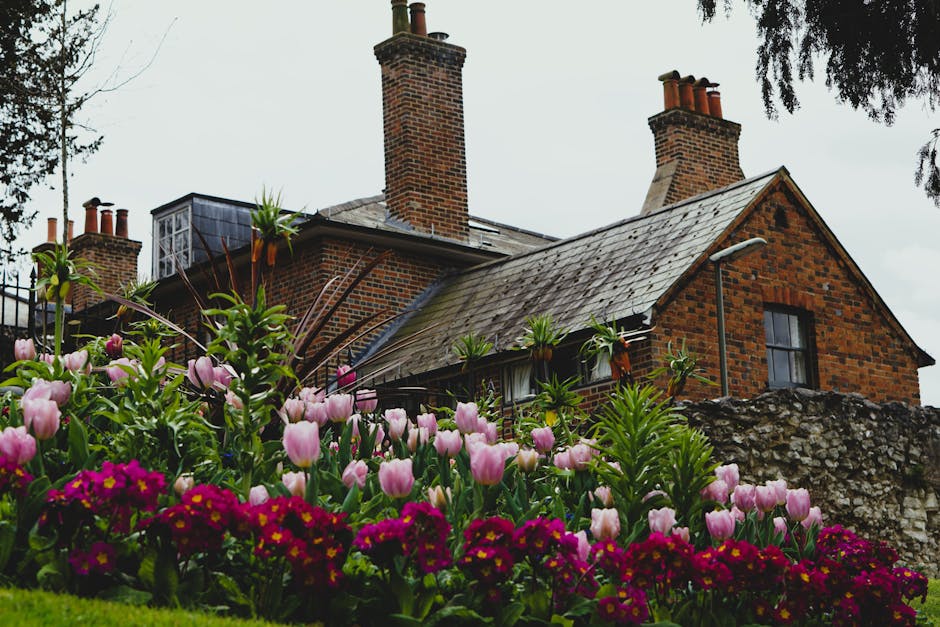
If you live near Barnet Market, you already know the area has its own rhythm: busy enough to feel connected, calm enough that a well-kept garden still makes a real difference to how a home feels. Finding the best gardeners for High Barnet homes by Barnet Market is not just about cutting grass and trimming hedges. It is about choosing someone who understands local gardens, awkward access, shaded plots, family homes, rental properties, and the kind of weather that can turn a neat border into a small jungle in what feels like a week. To be fair, that happens to the best of us.
This guide is written to help you make a proper decision. You will find practical advice on what good gardening service looks like, how to compare options, what to expect from a visit, and which mistakes quietly cost homeowners time and money. If you are weighing up a one-off tidy, regular maintenance, or a bigger garden refresh, this article will help you choose with a bit more confidence.
For related local home services and support, it can also help to explore garden maintenance services, hedge trimming and shaping, or lawn care for busy households if your outdoor space needs more than a quick tidy-up.
Table of Contents
- Why Best gardeners for High Barnet homes by Barnet Market Matters
- How Best gardeners for High Barnet homes by Barnet Market Works
- Key Benefits and Practical Advantages
- Who This Is For and When It Makes Sense
- Step-by-Step Guidance
- Expert Tips for Better Results
- Common Mistakes to Avoid
- Tools, Resources and Recommendations
- Law, Compliance, Standards, or Best Practice
- Options, Methods, or Comparison Table
- Case Study or Real-World Example
- Practical Checklist
- Conclusion
- Frequently Asked Questions
Why Best gardeners for High Barnet homes by Barnet Market Matters
High Barnet has a mix of property types, and that matters more than many people think. A compact front garden near Barnet Market needs a different approach from a larger rear garden tucked behind a terrace, and very different again from a sloping lawn with mature shrubs, old brick edging, or a fence line that always seems to catch the wind. The right gardener does not simply "tidy up." They read the space.
That local understanding saves time. It also saves avoidable mistakes. A gardener who knows how London gardens behave through damp springs, dry spells, and leaf-heavy autumns can spot problems early: poor drainage, mossy lawns, neglected rose beds, overgrown climbers, and hedges that have outgrown their welcome. The result is a garden that feels managed rather than constantly rescued.
There is also a practical home-value angle. You do not need a magazine garden, not at all. But an outdoor space that looks cared for helps a property feel more settled and more inviting, whether you are living in it, renting it out, or getting it ready for visitors. And honestly, on a grey afternoon, a neat garden can lift the whole house.
For homeowners who want a broader seasonal plan, a linked service like seasonal garden care can be a useful next step, especially if your beds, lawn, and hedges all need attention at different points in the year.
How Best gardeners for High Barnet homes by Barnet Market Works
In practice, choosing a gardener near Barnet Market usually starts with a site visit or a quick photo-based assessment. A good gardener will ask what you want from the space before they start naming tools or suggesting work. That sounds obvious, but it is one of the clearest signs you are dealing with someone who thinks properly about the job.
The process often looks like this:
- Initial review: You explain the current condition of the garden and what you want to improve.
- Scope setting: The gardener identifies the work needed, whether that is mowing, hedge cutting, pruning, planting, clearance, or regular maintenance.
- Priorities: Good gardeners separate urgent jobs from cosmetic ones. For example, removing dead growth before shaping borders.
- Scheduling: You agree whether the work is a one-off, a seasonal visit, or an ongoing plan.
- Execution and tidy finish: A reliable gardener clears waste, leaves pathways safe, and does not stop halfway through the bits that matter.
There is a difference between a general tidy and skilled garden care. The first can make a space look better for the weekend. The second sets the garden up to stay healthier. You will notice it in the lawn density, the shape of hedging, and the way shrubs recover instead of sulking for weeks.
If your garden needs more than routine upkeep, it may be worth pairing gardening work with planting design advice or expert shrub pruning. That way, the garden is not just cleaned up; it is improved with some thought behind it.
Key Benefits and Practical Advantages
Working with a skilled gardener brings a few clear wins, and some of them are surprisingly practical. Not glamorous. Just useful.
- Time back in your week: A proper gardener can clear jobs that might otherwise eat up a Saturday.
- Better plant health: Correct pruning and feeding habits help plants recover and grow more strongly.
- Cleaner kerb appeal: Front gardens near busier roads or foot traffic from Barnet Market can look sharper with regular care.
- Safer outdoor spaces: Overgrown paths, uneven edges, and fallen branches become less of a nuisance.
- Seasonal control: Jobs get done at the right time, not all at once after things have gone too far.
- Less waste and fewer mistakes: Cutting a hedge the wrong way or over-pruning a shrub can set you back months.
There is also a quieter benefit. A well-kept garden changes how you feel about the house. You open the back door and the space looks usable, not like a problem waiting to happen. That matters on ordinary weekdays more than people admit.
Expert summary: The best gardening service for a High Barnet home is one that balances neat presentation with plant knowledge, clear communication, and realistic seasonal planning. Good gardeners do not just make gardens look tidy today; they help them stay healthy next month.
If you want to keep momentum after a first tidy, a regular maintenance plan can be a smart follow-on. It is usually easier and more cost-effective than waiting until everything is overgrown again.
Who This Is For and When It Makes Sense
This kind of service is useful for more people than you might expect. It is not only for large gardens or homeowners with loads of spare time. In fact, some of the best-fit customers are the busiest ones.
You may be a good fit if you:
- Have a garden that looks fine from a distance but needs proper care up close
- Want a tidy front garden near Barnet Market that does not become a weekly headache
- Have shrubs, climbers, or hedges that have grown too quickly
- Rent out a property and need the outdoor space kept presentable
- Have limited mobility, limited time, or just prefer not to do the heavy work yourself
- Are getting ready to sell, let, or welcome family over and want the outdoor area to look sorted
It also makes sense when the job is more than you can comfortably handle in one go. Some people think they need a full landscape redesign when, truth be told, they mostly need a sharp reset: lawn cut, borders cleared, edges defined, and a few problem plants dealt with properly. That is the sort of task a good local gardener can handle without drama.
And if you have had patchy experiences before, you are not alone. A lot of homeowners only start comparing gardeners carefully after one too many "I'll be round sometime Tuesday" situations. Fair enough.
Step-by-Step Guidance
If you want a sensible way to choose the right gardener near High Barnet, use a simple process. No fuss. Just a clear sequence.
1. Decide what your garden actually needs
Start with the basics. Is the job a one-off clearance, a monthly upkeep visit, or a more seasonal mix of pruning, planting, and lawn care? A tiny front garden by a busy road will need a different plan from a larger family garden with pets, a trampoline, and a hedge that has become a small ecosystem.
2. Look for relevant experience
The best gardeners usually talk about actual garden conditions, not just services. Listen for how they explain shade, soil, drainage, plant choice, and timing. If they can tell the difference between a quick trim and a proper shaping job, you are on safer ground.
3. Ask how waste is handled
Garden waste can become a nuisance quickly. Ask whether clearance and disposal are included, and whether the gardener follows sensible local waste handling practices. You do not want bags of cuttings sitting around for days. Nobody does.
4. Check communication and reliability
A good gardener responds clearly, turns up when agreed, and explains changes if weather affects the plan. In London, this matters more than people admit because rain, traffic, and tight schedules can all interfere.
5. Compare scope, not just price
A lower quote can look attractive until you realise it excludes edging, waste removal, or the second pass needed to finish the job properly. Compare what is included. Not just the number at the bottom.
6. Start with a smaller job if needed
If you are unsure, test the relationship with one task first. Perhaps the hedge, or the lawn, or a full front-garden tidy. You will quickly learn whether the gardener works carefully, communicates well, and respects the space.
7. Review the result and book the next visit
Once the work is done, check the details. Are edges clean? Were paths left clear? Did the planting look balanced rather than chopped into shape? If the answer is yes, that is a strong sign you have found a good fit.
For a more structured approach to regular care, you might also look at regular garden services so the work stays manageable through the year instead of building up.
Expert Tips for Better Results
Small decisions make a big difference in garden work. The best results often come from timing, not force.
- Book before peak overgrowth: Late spring and early summer can get busy quickly, so do not wait until everything looks wild.
- Keep a simple garden brief: A few notes on what you want kept, reduced, or planted saves confusion.
- Separate "tidy" from "improve": If you need both, say so. Otherwise the gardener may focus on one and leave the other.
- Ask for plant-friendly cuts: Random chopping can do long-term damage, especially to shrubs and climbers.
- Use a seasonal rhythm: Spring cleanup, summer maintenance, autumn clearance, winter reduction. It works because gardens are living things, not static decor.
- Keep an eye on boundaries: Fence lines, shared hedges, and overhanging branches can become awkward if they are ignored for too long.
One useful trick is to take a few photos of your garden in its best state and a few of its worst. Sounds slightly fussy, maybe, but it helps a gardener understand your taste. Some people want a soft, natural look. Others want a crisp, structured finish. Those are different jobs.
If you want to go beyond maintenance, garden design support can help turn a recurring maintenance issue into something more manageable. Even a modest redesign can make routine care much easier.
Common Mistakes to Avoid
People often choose a gardener too quickly, or with the wrong criteria. That is where the trouble starts.
- Choosing purely on price: Cheap can become expensive if the work has to be redone.
- Not defining the job: "Sort the garden out" means different things to different people.
- Ignoring waste removal: A neat cut is only half the job if the debris is left behind.
- Hiring without checking local fit: A gardener who understands suburban London gardens will usually work more efficiently in High Barnet.
- Leaving pruning too late: Some shrubs and hedges recover better when cut at the right time, not after they have become unruly.
- Expecting one visit to solve everything: Sometimes it can, sometimes it cannot. Better to be realistic.
Another quiet mistake is not asking what happens after the first visit. A good one-off tidy is useful, sure. But if the garden immediately slides back into chaos, it may be worth setting up a simple maintenance pattern instead of starting from zero every season. Nobody wants to keep paying for the same reset.
Tools, Resources and Recommendations
Homeowners do not need a garage full of equipment, but it helps to understand what a professional gardener may use and why. That way you can judge whether the work is being done properly.
| Tool or Resource | What It Helps With | Why It Matters for High Barnet Gardens |
|---|---|---|
| Quality hedge trimmers | Shaping hedges and shrubs | Useful for boundary hedges and tidy front gardens near the road |
| Lawn mower and strimmer | General lawn care and edging | Keeps mixed-size gardens looking finished, not half-done |
| Secateurs and loppers | Pruning stems and smaller branches | Better for controlled cuts on shrubs and mature planting |
| Soil improvers and mulch | Boosting soil condition and moisture retention | Helps beds cope with dry spells and patchy soil |
| Waste bags or clearance arrangements | Removing green waste | Prevents buildup and keeps outdoor areas usable |
| Seasonal plant knowledge | Choosing the right care at the right time | Important for shaded plots, mixed borders, and changing weather |
There are also a few practical resources worth considering: local plant suppliers, seasonal pruning guides, and ongoing maintenance plans that fit your actual use of the garden. If you are unsure where to begin, a broader service page like local garden services in Barnet can help you compare what is available without making it feel complicated.
Law, Compliance, Standards, or Best Practice
For most household gardening, the main concern is not red tape. It is sensible practice. Still, there are a few things worth keeping in mind in the UK.
First, garden waste should be handled properly. A responsible gardener will know how to dispose of green waste in a lawful and tidy way, whether that is through approved removal, composting where suitable, or another legitimate route. You should not be left guessing where the bags went. That is just messy, and a bit irritating too.
Second, if the work involves shared boundaries, overhanging branches, or access across neighbouring property, it is best to proceed carefully and politely. A good gardener will flag anything that may need your permission or a neighbourly conversation before work begins.
Third, good practice matters with tools and plant care. Heavy pruning, careless cutting, and poor timing can all stress plants unnecessarily. Skilled gardeners understand this and work around the plant's needs, not just the quickest route to "done."
Finally, if you are dealing with larger trees, dangerous limbs, or work that looks beyond routine gardening, it is sensible to bring in someone properly qualified for that specific task. Regular gardeners are not expected to handle every specialist job, and a trustworthy one will say so plainly.
For reassurance around service expectations and professional standards, you may also want to review our service standards and garden service FAQs before you book.
Options, Methods, or Comparison Table
Different gardens need different levels of help. Here is a simple way to compare the usual options.
| Option | Best For | Pros | Trade-offs |
|---|---|---|---|
| One-off garden tidy | Overgrown spaces, pre-sale prep, seasonal reset | Fast visual improvement, easy to arrange | Can return to rough condition if not maintained |
| Regular maintenance visits | Busy households, rental properties, neat front gardens | Keeps things under control, usually easier long-term | Requires ongoing scheduling |
| Seasonal garden care | Borders, shrubs, lawns that change through the year | Better timing for pruning and planting | Needs planning across seasons |
| Planting and light redesign | Gardens that look tired or hard to manage | Improves both appearance and function | Usually needs a bigger budget and more thought |
If you are not sure which route fits, ask yourself a simple question: do I need to catch up, keep up, or improve? That answer usually points you in the right direction. Catch up means one-off work. Keep up means maintenance. Improve means a more considered plan.
Case Study or Real-World Example
Picture a typical High Barnet home close enough to Barnet Market that foot traffic and front-facing presentation matter. The front garden has a hedge that has started to spill over the pavement edge, the lawn is patchy, and the back garden has a few shrubs that were trimmed last year, but not quite correctly. Nothing dramatic. Just enough to feel nagging every time you look out the window.
A good gardener would probably begin by clearing the obvious clutter, defining the lawn edges, and cutting the hedge back to a sensible shape without stripping it bare. Then they would inspect the shrubs to see what needs a light, selective prune rather than a heavy haircut. That distinction matters. A quick, deep cut might look dramatic for a day, but it can leave the garden looking blunt and stressed.
After the first visit, the homeowner usually has two choices: leave it there, or set up repeat visits every few weeks during the growing season. In many cases, the second option is the better one. The space stays under control, the work becomes cheaper to manage over time, and the homeowner no longer feels like the garden is constantly winning the argument. Happens all the time, honestly.
For homes like this, local knowledge is less about postcode pride and more about practical fit. A gardener who understands the pace of London growth, narrow side access, and the need to keep paths clear will do a neater, quicker job. Simple as that.
Practical Checklist
Use this checklist before you book.
- Have you decided whether you need a one-off tidy or regular maintenance?
- Do you know which parts of the garden matter most right now?
- Have you asked whether waste removal is included?
- Have you checked that the gardener is comfortable with the type of plants and layout you have?
- Have you explained any access issues, shared boundaries, or tight spaces?
- Have you asked how they handle pruning, hedge cutting, and seasonal timing?
- Have you compared more than just the price?
- Have you confirmed when the work will happen and what the finish should include?
- Do you want follow-up maintenance after the first visit?
- Have you looked at nearby service information such as contact options and about the team to get a feel for the business?
Quick takeaway: the right gardener is not always the one who says yes to everything. It is the one who understands your garden, explains the work clearly, and leaves you with a space that feels genuinely easier to live with.
Conclusion
Choosing the best gardeners for High Barnet homes by Barnet Market is really about choosing clarity, consistency, and local understanding. You want someone who knows how to handle the odd corners, the hedge that has gone a bit far, the lawn that needs more than a mow, and the seasonal jobs that arrive whether you are ready or not. A strong gardener does not just improve how the garden looks. They make it simpler to live with.
Start with the work you need now, compare what is included, and look for a gardener who explains things in plain English. That usually tells you more than a glossy promise ever will. And once you have found the right person, gardening stops feeling like a burden and starts feeling like a home improvement that actually pays you back every week.
Get a free quote today and see how much you can save.
There is something quietly satisfying about opening the back door and seeing a garden that feels calm, cared for, and ready for the day ahead. Small thing, maybe. But it changes the mood of a whole house.
Frequently Asked Questions
What should I look for in a gardener for a High Barnet home?
Look for clear communication, relevant experience with local garden types, sensible pricing, and a willingness to explain what is included. A good gardener should ask questions about the space before quoting.
Is a one-off tidy enough, or should I book regular visits?
If your garden is already mostly under control, a one-off tidy may be enough. If growth is fast, the garden is used often, or you want it to stay neat through the season, regular visits usually make more sense.
How often do gardens near Barnet Market usually need attention?
It depends on the size of the garden, plant choice, and season. Many homes need more frequent attention in spring and summer, then lighter maintenance in autumn and winter.
Do gardeners remove waste as part of the service?
Sometimes yes, sometimes it is quoted separately. Always ask. Waste removal is one of those details that can look minor at first and become annoying very quickly if it is not agreed in advance.
What is the difference between gardening and garden maintenance?
Gardening can include planting, pruning, and shaping the space. Garden maintenance usually means the regular keeping of the garden: mowing, trimming, clearing, and general upkeep.
Can a gardener help if my garden is badly overgrown?
Yes, in many cases. A proper overgrown-garden clearance can reset the space. If the area is very dense or contains larger trees or hazardous material, specialist help may be needed for part of the work.
How do I know if a quote is fair?
Compare the scope, not just the total. A fair quote should explain what is included, what is excluded, how waste is handled, and whether the job is one-off or recurring.
Should I choose a gardener based in Barnet or nearby?
A nearby local gardener is often a good choice because they are more likely to understand the area, travel efficiently, and respond when you need follow-up work.
What time of year is best for hedge cutting and pruning?
It depends on the plant type. Some hedges and shrubs respond best to cuts at specific times of year, so it is worth asking a knowledgeable gardener before trimming too aggressively.
Can gardeners help improve a garden that looks tired, not just tidy it?
Yes. Many can advise on planting, layout, soil improvement, and simple changes that make a garden easier to maintain. Sometimes a few good decisions matter more than a full redesign.
Are there rules I need to know before garden work starts?
For most domestic work, the main things are sensible waste handling, care around shared boundaries, and using the right approach for the job. For larger trees or unusual situations, it is best to check whether specialist input is needed.
What should I tell a gardener before the first visit?
Tell them what you want most, what is bothering you, whether there are access issues, and whether you want a neat finish or a longer-term improvement. A few clear notes save time and usually lead to better results.